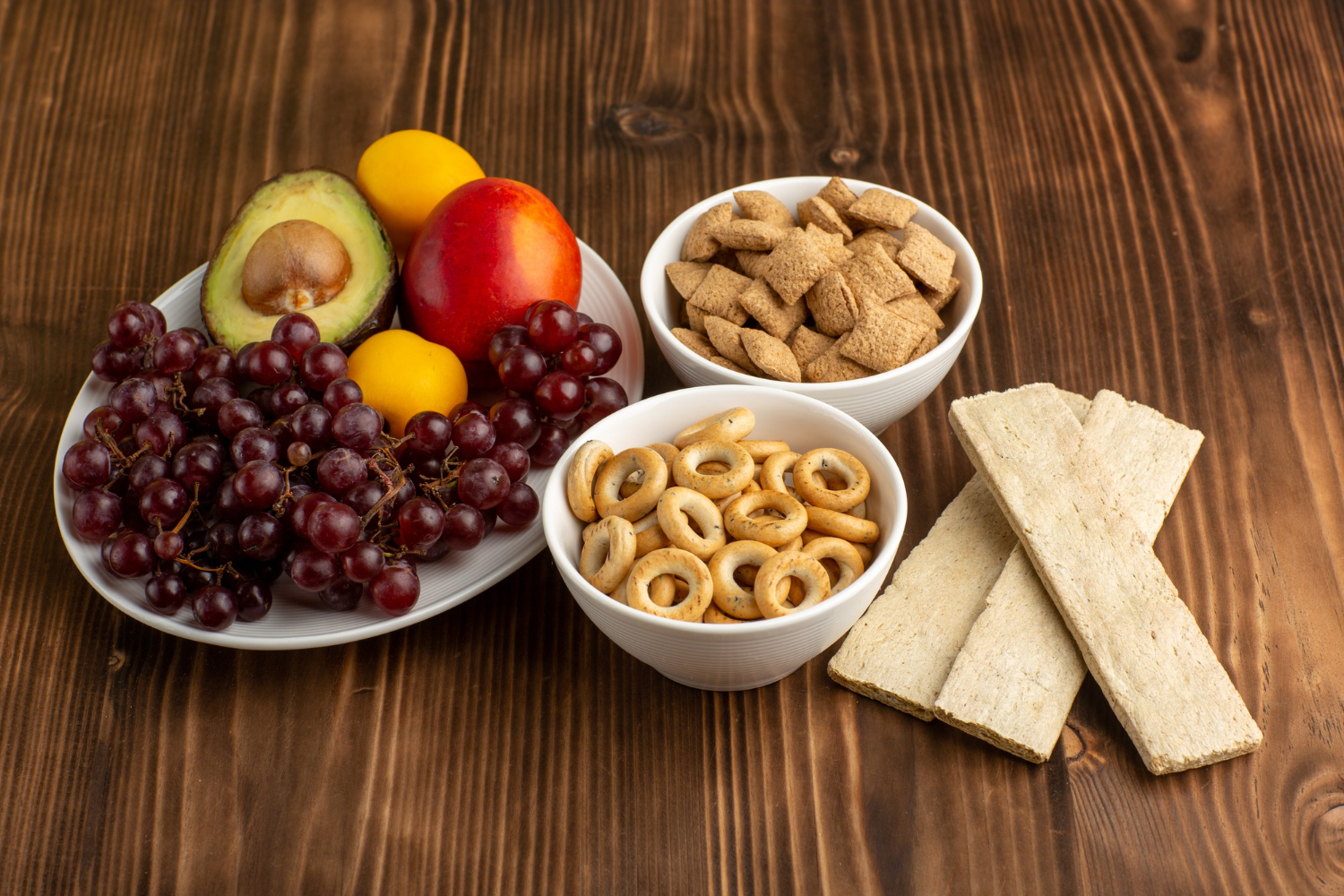

How Many Calories Is Good for Dinner

Most adults do well with a dinner of around 500 to 700 calories, though the right number depends on your age, gender, activity level and goal. If you’re trying to lose weight, aim closer to 400 to 550 calories. If you’re maintaining weight or training regularly, 600 to 800 Calorie Food is usually more appropriate. There’s no single figure that fits everyone, but this guide breaks it down clearly so you can work out what’s right for you.
The Short Answer
For most healthy adults eating three meals a day, dinner should make up roughly 25 to 35% of daily calorie intake. Based on typical UK calorie guidelines of 2,000 calories a day for women and 2,500 for men, that works out to:
- Women: approximately 500 to 700 calories for dinner
- Men: approximately 625 to 875 calories for dinner
These figures assume a balanced day with breakfast, lunch and dinner. If you skip meals or snack heavily between meals, your ideal dinner size will shift accordingly.
How Many Calories Should Dinner Have, By Goal
Calorie needs at dinner change depending on what you’re trying to achieve. Here’s a practical breakdown.
For weight loss
If you’re in a calorie deficit to lose weight, a dinner of 400 to 550 calories tends to work well for most people. Registered dietitians commonly recommend staying closer to 450 calories if fat loss is the main priority, with the rest of your calorie budget spread across breakfast, lunch and a light snack.
Keeping dinner slightly smaller than lunch also helps many people avoid going to bed too full, which some find supports better digestion and sleep.
For weight maintenance
If you’re simply trying to stay at your current weight, 550 to 700 calories is a comfortable range for most adults. This allows for a satisfying, protein-rich meal without pushing you into a surplus, assuming your earlier meals are reasonably balanced.
For muscle gain or high activity levels
Athletes, people who train several times a week, or anyone in a calorie surplus to build muscle can reasonably eat 700 to 900 calories at dinner, particularly on training days. Extra carbohydrates and protein at this meal help replenish glycogen stores and support muscle repair overnight.
How Age, Gender and Activity Level Change the Number
There’s no fixed rule that applies to everyone, because daily energy needs vary widely between individuals. A few factors matter most:
- Gender: men generally need more total calories than women due to differences in average muscle mass and body size, which shifts the dinner range upward too.
- Age: calorie needs tend to fall gradually with age, mainly because metabolism slows and activity levels often decrease. Someone in their 60s may need a smaller dinner than someone in their 20s doing the same job.
- Activity level: someone with a physically demanding job or a regular training routine burns more energy overall, so their ideal dinner size sits at the higher end of the range.
- Body size and goals: taller or more muscular people generally need more calories across all meals, dinner included.
Rather than fixating on an exact number, it helps to think of your ideal dinner size as a range you adjust based on how active your day was and how hungry you genuinely feel.
What UK Health Guidance Says About Calories at Dinner
The NHS Eatwell Guide recommends around 2,000 calories a day for women and 2,500 for men as general averages, while stressing that individual needs vary depending on activity levels and other factors. The NHS also does not prescribe an exact calorie target for dinner specifically, but its calorie-counting advice suggests cutting roughly 200 calories from a typical dinner as one practical step for people trying to lose weight, alongside smaller cuts at other meals.
Public Health England guidance from a previous review suggested a rough split of 400 calories for breakfast and around 600 calories each for lunch and dinner, with 200 calories allowed for snacks, as one workable way to structure a day around 1,800 calories. This isn’t an official rule, but it’s a useful reference point for anyone who wants a simple starting structure rather than building a Healthy diet from scratch.
Ideal Macros for a Balanced Dinner
Calories are only part of the picture. What those calories are made of affects how satisfied and well-rested you feel afterwards. For a typical 450 to 600 calorie dinner, a reasonable macro split looks like this:
- Protein: around 20 to 25% of dinner calories, roughly 25 to 35 grams. Protein supports muscle repair overnight and helps you feel fuller for longer.
- Carbohydrates: around 45 to 55% of dinner calories, roughly 50 to 75 grams. Wholegrain carbs, starchy vegetables and pulses are good sources.
- Fats: around 25 to 35% of dinner calories, roughly 15 to 25 grams. Favour unsaturated fats such as olive oil, avocado, nuts and oily fish over saturated sources.
- Fibre: aim for at least 8 grams at dinner as part of your daily target of around 30 grams. Vegetables, wholegrains and legumes all help here.
Getting protein and fibre right at dinner matters more for satisfaction than hitting an exact calorie figure, particularly if you tend to snack late in the evening.
Simple Dinner Examples at Different Calorie Levels
Real meals are more useful than numbers alone. Here are some practical examples that fall within common dinner ranges:
Around 450 calories (weight loss range) Grilled chicken breast with a large mixed salad, half a cup of quinoa and a drizzle of olive oil.
Around 600 calories (maintenance range) Baked salmon with roasted vegetables and a small portion of brown rice.
Around 750 calories (higher activity range) Stir-fried beef or tofu with noodles, plenty of vegetables and a side of edamame.
Building meals around a lean protein, a serving of wholegrain carbohydrate and at least two servings of vegetables makes it far easier to land in the right calorie range without needing to weigh every ingredient.
Does Eating a Large Dinner Late Affect Sleep or Weight?
This is one of the most common follow-up questions, so it’s worth addressing directly. Total daily calorie intake matters more for weight than the exact timing of your meals. However, eating a very large meal close to bedtime can affect comfort and sleep quality for some people, mainly because digestion is still active while you’re trying to wind down.
A practical approach that works for many people is finishing dinner at least two to three hours before bed and keeping the meal balanced rather than extremely heavy or high in fat, which digests more slowly. If your schedule means dinner is genuinely your last meal of the day, it’s reasonable for it to sit at the higher end of your personal range rather than the lower end.
Common Mistakes People Make When Sizing Their Dinner
A few patterns show up again and again when people struggle to find the right dinner size:
- Skipping earlier meals, then overeating at dinner. This often leads to a dinner far above what’s actually needed, simply out of hunger built up across the day.
- Underestimating restaurant or takeaway portions. A single restaurant main can easily contain 800 to 1,200 calories, which is well above most people’s ideal range.
- Ignoring liquid calories. Wine, sugary drinks or creamy sauces can add several hundred calories without noticeably increasing how full you feel.
- Treating one figure as fixed forever. Calorie needs shift with activity levels, seasons and life stage, so it’s worth revisiting your target every few months rather than sticking to a number set years ago.
How to Work Out Your Own Ideal Dinner Calories
If you want a number specific to you rather than a general range, this simple process works well:
- Estimate your total daily calorie need, using your age, gender, weight and activity level, or an online calculator based on the Mifflin-St Jeor equation.
- Decide your goal, whether that’s weight loss, maintenance, or muscle gain, and adjust your daily total accordingly (a deficit of around 500 calories a day supports steady weight loss of about 1lb a week).
- Split your daily calories across meals, allowing roughly 25 to 30% for dinner if you eat three balanced meals with minimal snacking.
- Adjust based on real life. If lunch tends to be light, shift more calories to dinner. If dinner is a shared family meal, it often makes sense to keep it slightly larger than breakfast or lunch.
This approach gives you a personalised target instead of relying on a single generic figure that may not suit your body or routine.
Key Takeaways
- Most adults do well with a dinner of 500 to 700 calories, adjusted for goal, gender, age and activity level.
- Weight loss: aim for roughly 400 to 550 calories. Maintenance: roughly 550 to 700 calories. Muscle gain or high activity: roughly 700 to 900 calories.
- UK guidance points to daily totals of around 2,000 calories for women and 2,500 for men, with dinner making up roughly a quarter to a third of that.
- Protein and fibre at dinner matter as much as the total calorie count for feeling satisfied.
- Total daily intake affects weight more than meal timing, though a lighter, earlier dinner can support better sleep for some people.
Conclusion
So, how many calories is good for dinner? For most adults, a range of 500 to 700 calories works well, with weight loss goals sitting closer to 450 calories and active, higher-calorie needs stretching towards 800 or 900. Rather than chasing one exact number, it’s more useful to build your dinner around lean protein, wholegrain carbohydrates and plenty of vegetables, then adjust the portion to match your goal, activity level and how the rest of your day has gone. That approach tends to be far easier to stick to than counting calories to the gram every single evening.
Frequently Asked Questions
1. Is 500 calories a good amount for dinner?
Yes, for most adults aiming to lose weight or maintain their current weight, 500 calories is a reasonable dinner size. It sits comfortably within the typical 400 to 700 calorie range recommended for an evening meal, particularly for women or less active adults.
2. How many calories should a dinner have to lose weight?
For weight loss, most people do well with a dinner of around 400 to 550 calories, paired with balanced breakfast and lunch meals that together create a modest daily calorie deficit of roughly 500 calories.
3. Is 800 calories too much for dinner?
Not necessarily. An 800 calorie dinner can suit active men, people training regularly, or anyone whose dinner is their main meal of the day. It would be on the higher side for someone with a smaller frame or a weight loss goal.
4. Should dinner be the biggest meal of the day?
Not necessarily, but it’s not wrong either. Total daily calorie intake matters more than which single meal is largest. Many nutrition professionals suggest a slightly smaller dinner than lunch to support digestion and sleep, but a bigger dinner is fine if it fits your overall daily total and your schedule.
5. How many calories should a dinner have according to the NHS?
The NHS doesn’t set an exact calorie figure for dinner specifically. It recommends around 2,000 calories a day for women and 2,500 for men as general averages, and suggests cutting around 200 calories from a typical dinner as one step for people looking to reduce their overall intake.