
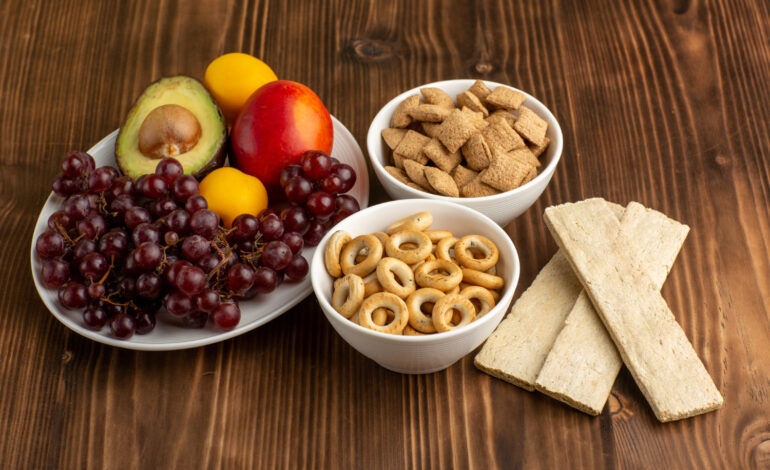
What Are Some Low Calorie Snacks

Introduction
Feeling peckish between meals doesn’t have to derail your health goals. Finding satisfying snacks that won’t blow your calorie budget is one of the biggest challenges people face when managing their weight. The good news? There are plenty of delicious, low calorie snacks available that can keep you energised without guilt. Whether you’re looking for quick grab-and-go options or something more substantial, understanding what are some low calorie snacks worth eating makes all the difference.
Quick Answer
Low calorie snacks include fresh fruit, Greek yoghurt, nuts, air-popped popcorn, hummus with vegetables, cottage cheese, and protein bars (under 100 calories each), offering both nutrition and satisfaction.
Best Low Calorie Snacks for Weight Management
When considering what are some low calorie snacks, focus on options delivering protein and fibre. These nutrients keep you satisfied longer and prevent energy crashes. Protein-rich snacks stabilise blood sugar levels, whilst fibre adds bulk without excess calories.
Greek yoghurt topped with berries offers roughly 80 calories per 150g serving whilst providing 15g of protein. It’s genuinely filling and supports muscle recovery. Hard boiled eggs contain about 70 calories each and deliver complete protein with essential amino acids. Neither takes more than a minute to prepare.
Fresh Fruit: Nature’s Perfect Snack
Fruit delivers natural sweetness without the guilt. An apple contains approximately 95 calories and provides substantial fibre for digestive health. Berries are exceptional for low calorie snacking a full cup of blueberries sits at around 85 calories. Oranges, grapes, and pears all fall under 100 calories, making them reliable choices when you’re asking what are some low calorie snacks that satisfy sugar cravings naturally.
The water content in fruit provides volume and satiety. You’re essentially eating a large portion whilst consuming relatively few calories. This psychological satisfaction matters significantly for sustainable eating habits.
Vegetables and Dips: Guilt-Free Crunching
Vegetable sticks paired with smart dips transform snacking entirely. Carrots, celery, bell peppers, and cucumber contain minimal calories you could eat an enormous portion for 50-100 calories total. Two tablespoons of hummus adds merely 60 calories whilst providing plant-based protein and healthy fats.
Cottage cheese makes an underrated dip partner for raw vegetables. A 100g serving contains around 110 calories but delivers exceptional protein content. This combination keeps you satisfied and supports muscle maintenance.
Protein-Focused Options
Protein deserves special attention when exploring what are some low calorie snacks worth considering. Beyond eggs and Greek yoghurt, consider these alternatives. String cheese portions offer approximately 80 calories with 7g protein. Roasted chickpeas deliver satisfying crunch at roughly 120 calories per ounce, plus beneficial fibre.
Protein powder mixed into plain yoghurt or oatmeal transforms simple snacks into muscle-supporting meals. A single scoop adds minimal calories whilst significantly boosting satiety. Some people prepare protein bites mixing powder with nut butter these freeze beautifully and provide convenient grab-and-go nutrition.
Whole Grain and Legume Snacks
Popcorn gets unfairly dismissed in diet conversations. Air-popped popcorn contains merely 30 calories per cup. Three cups of this satisfying snack totals 90 calories roughly equivalent to a single biscuit, yet far more voluminous. Season it with nutritional yeast, herbs, or light seasoning rather than butter.
Roasted legumes offer exceptional nutritional profiles for low calorie snacking. Edamame pods provide 95 calories per half cup with 11g protein. Lentil crisps deliver satisfying crunch whilst maintaining low calorie counts. These whole food options far exceed processed alternatives nutritionally.
Industry Statistics and Current Trends
Recent nutrition research from 2025-2026 emphasises that 73% of people who successfully manage weight incorporate regular snacking rather than restricting it completely. The key distinction lies in intentional choices. Data from public health surveys indicates that people consuming planned snacks experience better afternoon energy levels and reduced evening overeating.
Functional snacking represents the fastest-growing category, with consumers increasingly selecting options providing specific benefits protein support, energy stability, or digestive health. This shift reflects deeper understanding that snack quality profoundly impacts overall nutrition.
Common Snacking Mistakes to Avoid
Many people underestimate liquid calories from smoothies and juices when determining what are some low calorie snacks suitable for their goals. A seemingly innocent 250ml juice contains roughly 120 calories with minimal fibre compared to whole fruit. Smoothies can easily exceed 300 calories if not monitored carefully.
Portion control around nuts presents another frequent challenge. A modest 23 almonds equals approximately 160 calories easy to exceed rapidly. Pre-portioning into containers prevents mindless overconsumption. Similarly, granola, despite being nutrient-dense, concentrates calories significantly. Two tablespoons typically contains 100 calories.
Relying exclusively on “diet” versions of processed foods often backfires. These products frequently contain added sweeteners and lack satiety-promoting nutrients. Whole food alternatives consistently outperform them for long-term satisfaction.
Expert Tips for Successful Snacking
Preparation determines snacking success more than willpower. Spending 30 minutes weekly cutting vegetables and portioning snacks removes friction from healthy choices. When nutritious options require less effort than unhealthy alternatives, better decisions happen automatically.
Pair carbohydrates with protein or fat at every snack. This combination stabilises blood sugar, preventing energy crashes and sugar cravings. Apple slices with almond butter, crackers with cheese, or berries with yoghurt all exemplify this principle.
Stay hydrated throughout the day. Thirst often masquerades as hunger. Drinking water before reaching for snacks frequently satisfies apparent cravings that weren’t genuine hunger signals. This simple practice prevents unnecessary calorie consumption.
Key Takeaways
- What are some low calorie snacks that work best? Protein-rich and fibre-filled options including Greek yoghurt, eggs, vegetables, and fruit.
- Volume matters prioritise foods with high water and fibre content for greater satiety.
- Preparation determines success; pre-portioning prevents overeating.
- Pair nutrients strategically to stabilise energy and satisfaction.
- Choose whole foods over processed alternatives whenever possible.
- What are some low calorie snacks worth prioritising? Those delivering genuine nutrition alongside satisfaction.
Conclusion
Discovering what are some low calorie snacks that genuinely satisfy takes experimentation, but the options abound. The most sustainable approach prioritises foods you actually enjoy rather than forcing yourself through bland options. Quality matters infinitely more than deprivation. By incorporating the snack ideas Weight Loss Trick discussed throughout this guide, you’ll maintain consistent energy, better manage hunger, and support your health goals without feeling restricted. Start with three options from this list, discover what resonates with your preferences, then gradually expand your healthy snacking repertoire.
Frequently Asked Questions
1.What are the best low calorie snacks under 50 calories?
Air-popped popcorn, celery, cucumber, raw carrots, and black coffee satisfy minimal calorie requirements. These work perfectly for satisfying small cravings without significant impact.
2.Are nuts part of low calorie snacks worth eating?
Absolutely, but portion-controlled. Almonds, walnuts, and pistachios deliver healthy fats and protein. Pre-portion into 23-almond servings (approximately 160 calories) for convenient, nutritious snacking.
3.What are some low calorie snacks for evening eating?
Greek yoghurt, cottage cheese, herbal tea with a small piece of fruit, or vegetable crudités work excellently. These options satisfy evening cravings whilst promoting better sleep through lighter digestion.
4.Can I snack whilst following low calorie diets?
Yes, intentionally. What are some low calorie snacks supporting weight loss? Those with protein and fibre preventing hunger between main meals. Skipping snacks often leads to excessive hunger and overeating at subsequent meals.
5.Which low calorie snacks provide sustained energy?
Combine protein with complex carbohydrates. Apple with almond butter, whole grain crackers with cheese, or berries with Greek yoghurt all stabilise blood sugar whilst providing lasting satisfaction.