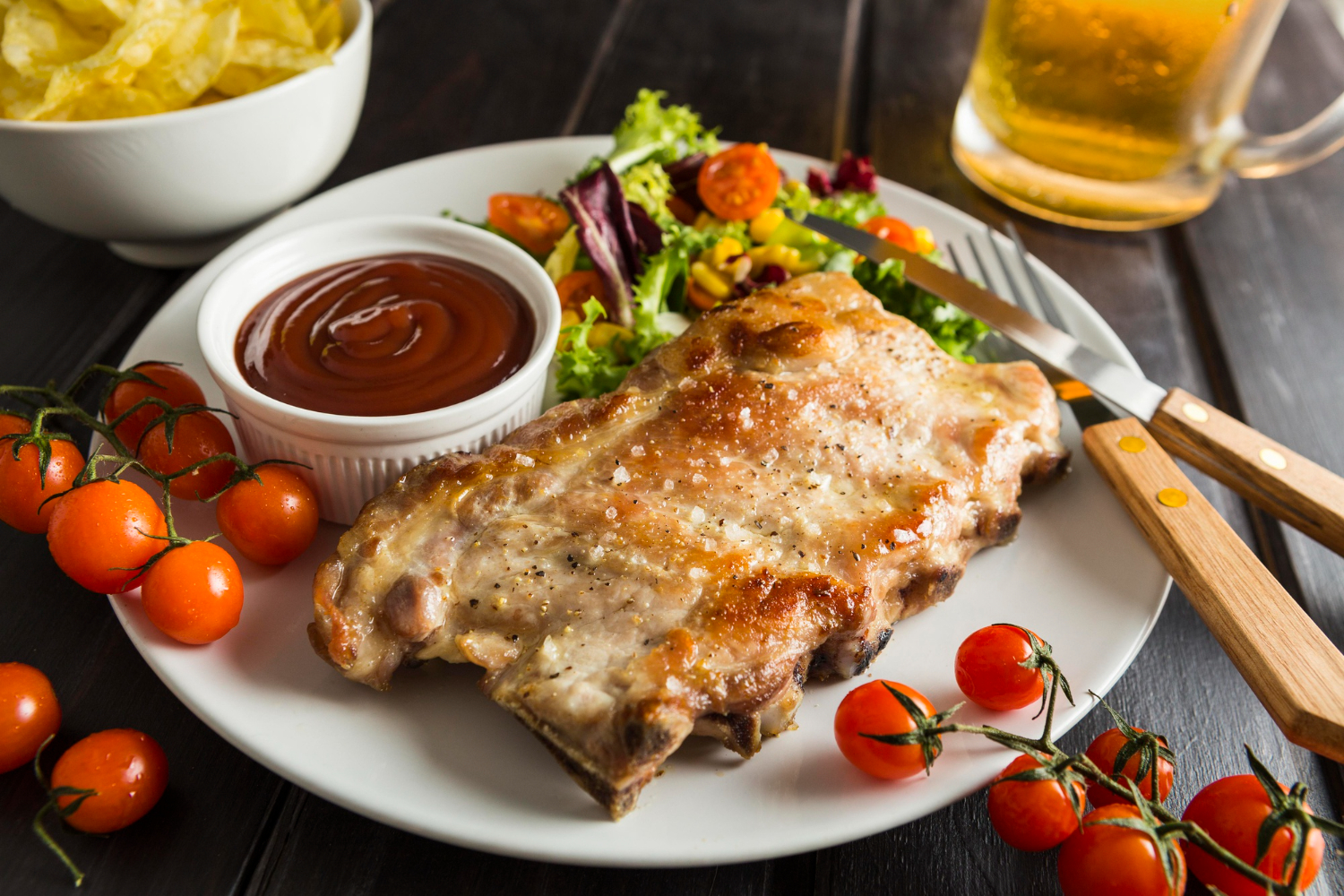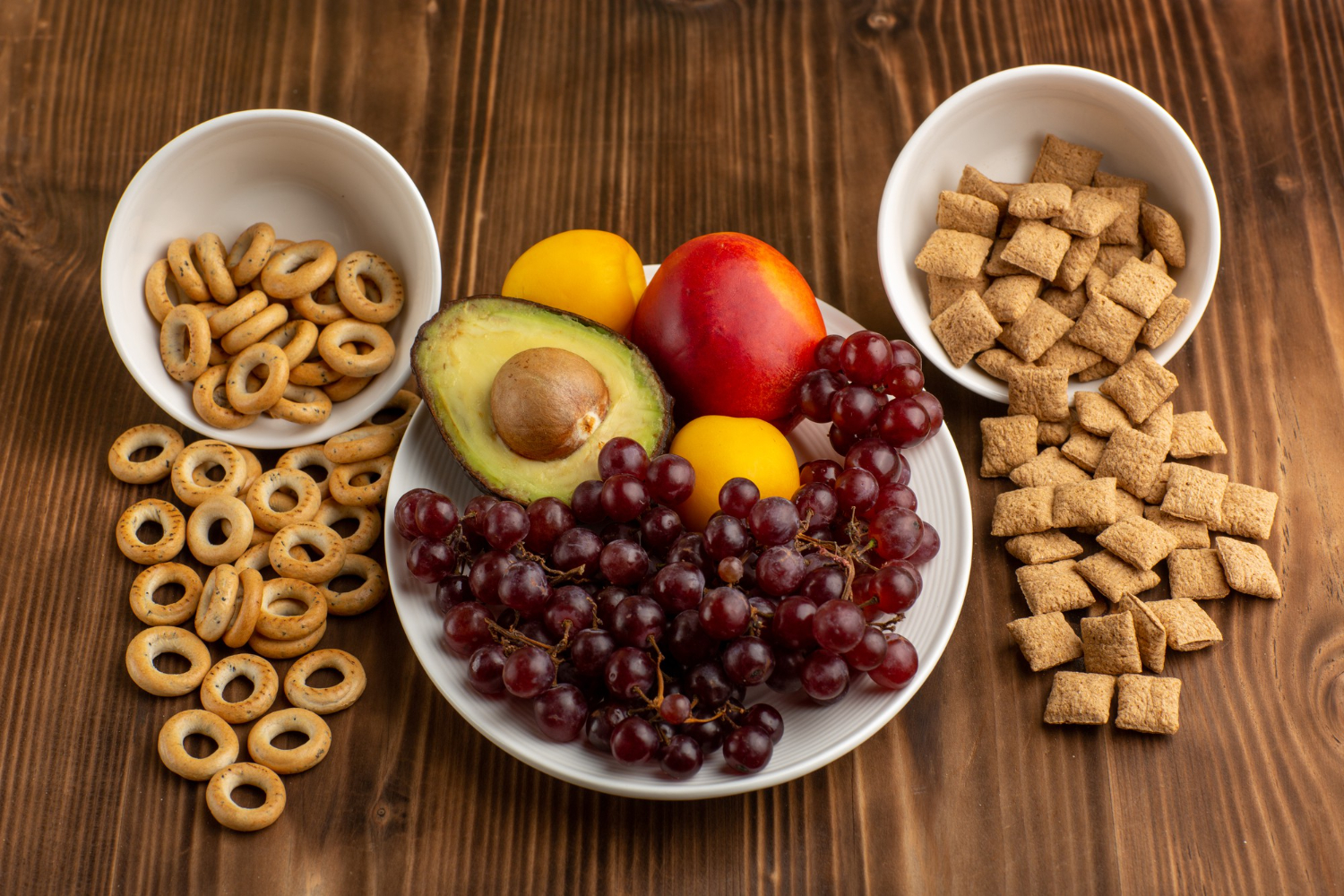

What Snacks Do You Usually Drop

If you’ve ever looked down to find crumbs scattered across your sofa, car seat or office desk, you’ve probably asked yourself what snacks do you usually drop most often. It happens to almost everyone, and it’s rarely random.
Certain snacks are simply built to spill. Crisps shatter, biscuits crumble, and popcorn bounces off your lap before you’ve noticed it’s gone.
This guide breaks down exactly what snacks do you usually drop, why it happens, and which simple swaps can keep your floor (and your patience) intact.
Quick Answer
What snacks do you usually drop? Most people drop crisps, crackers, biscuits, popcorn and cereal bars because they’re brittle, loosely packed or eaten one-handed while distracted.
What Snacks Do You Usually Drop the Most?
When asked what snacks do you usually drop, most people name the same handful of culprits. Here’s why these snacks top the list.
Crisps and Crackers
These are the UK’s most popular snack, with crisps preferred by 62% of consumers according to recent industry data. They’re also the most fragile.
Their thin, brittle structure means a single bump can shatter a whole crisp into pieces that fall straight through your fingers.
Biscuits and Cookies
Biscuits crumble along their edges first. Dunking them in tea makes this worse, which is why so many people drop a soggy half-biscuit at the last second.
Popcorn
Light and irregularly shaped, popcorn rarely sits still in a bowl. It’s one of the easiest snacks to spill, especially when watching a film or scrolling your phone.
Cereal and Granola Bars
These can crumble at the edges, particularly the fruit and nut varieties, which is one reason cereal bars dominate nearly 57% of the UK snack bar market yet still leave a trail behind.
Why Some Snacks Fall Apart More Than Others
Understanding the science helps explain what snacks do you usually drop and why.
- Brittle texture – dry, airy snacks break under light pressure
- Loose packing – foods not held together by fat or moisture separate easily
- One-handed eating – multitasking while snacking increases drop rates
- Distracted environments – sofas, cars and desks all reduce grip control
Crumbly vs Sturdy Snacks: A Quick Comparison
| Snack Type | Drop Risk | Why |
| Crisps | High | Thin and brittle |
| Biscuits | High | Crumbles at edges |
| Popcorn | High | Light, irregular shape |
| Cereal bars | Medium | Crumbles when broken |
| Nuts (whole) | Medium | Roll easily |
| Cheese sticks | Low | Flexible, holds shape |
| Yoghurt pouches | Low | Sealed, no loose pieces |
Benefits of Knowing Your Drop-Prone Snacks
Once you know what snacks do you usually drop, you can plan smarter.
- Less cleaning time after snack breaks
- Fewer wasted snacks underfoot or in the sofa
- Better snack choices for cars, prams and offices
- Reduced mess around children and pets
Practical Examples
A parent packing a lunchbox might swap crumbly biscuits for a sealed cereal bar. A commuter eating in the car might choose nuts in a sealed pot rather than loose crisps.
An office worker snacking at their desk might pick cheese sticks over crackers to protect their keyboard.
Real-Life Use Cases
Parents often notice toddlers drop crisps and crackers constantly, simply because small hands can’t grip brittle textures well.
Commuters frequently spill popcorn or crisps in cars due to vibration and limited space.
Office workers tend to drop crumbly snacks near keyboards, which can also damage equipment over time.
Gym-goers snacking on the move often drop bars or nuts from open packets while walking.
Latest Snacking Trends and Statistics
Snacking habits in the UK continue to shift, and they help explain what snacks do you usually drop on a national scale.
- Over 80% of UK adults snack between meals, according to BakeryAndSnacks.com.
- Crisps remain the UK’s most popular snack, chosen by 62% of consumers.
- Cereal bars hold roughly 57% of the UK snack bar market, per Mordor Intelligence.
- 58% of UK consumers snack daily, with many doing so while multitasking, increasing drop risk.
These figures show that the most popular snacks are often also the messiest, which is no coincidence given their brittle, bite-sized nature.
Common Mistakes People Make
- Eating brittle snacks while driving or walking
- Snacking directly from a large bag instead of a bowl
- Choosing crumbly options for children without supervision
- Ignoring packaging that holds snacks together better
Expert Tips to Reduce Mess
- Pour crisps and crackers into a bowl rather than eating from the bag
- Choose sealed, single-serve packs for cars and prams
- Keep a small mat or tray near the sofa for snack time
- Offer toddlers softer, less brittle alternatives like cheese cubes
Key Takeaways
- The most common answer to what snacks do you usually drop is crisps, biscuits, popcorn and cereal bars.
- Brittle texture and one-handed eating are the biggest causes.
- Sturdier snacks like cheese sticks and sealed pouches drop far less.
- Small habit changes, like using a bowl, cut mess significantly.
Conclusion
So, what snacks do you usually drop? For most people, it’s the brittle, loosely packed favourites like crisps, biscuits and popcorn.
Knowing this means you can make small, practical changes that save time, reduce waste and keep your space cleaner. Try swapping one crumbly snack this week for a Dessert in Spanish sturdier alternative and see the difference for yourself.
Frequently Asked Questions
1.What snacks do you usually drop the most?
Crisps, biscuits, popcorn and cereal bars top the list due to their brittle, crumbly texture.
2.Why do crisps fall apart so easily?
Crisps are thin and dry, so even light pressure causes them to shatter into smaller pieces.
3.What snacks are best for avoiding mess?
Cheese sticks, sealed yoghurt pouches and whole fruit hold their shape and rarely crumble.
4.Do children drop snacks more than adults?
Yes, smaller hands and less grip control mean children drop brittle snacks more frequently.
5.Can snack packaging affect how often you drop food?
Yes, single-serve sealed packs reduce spillage compared to eating straight from a large bag.