What Do People in Pakistan Eat

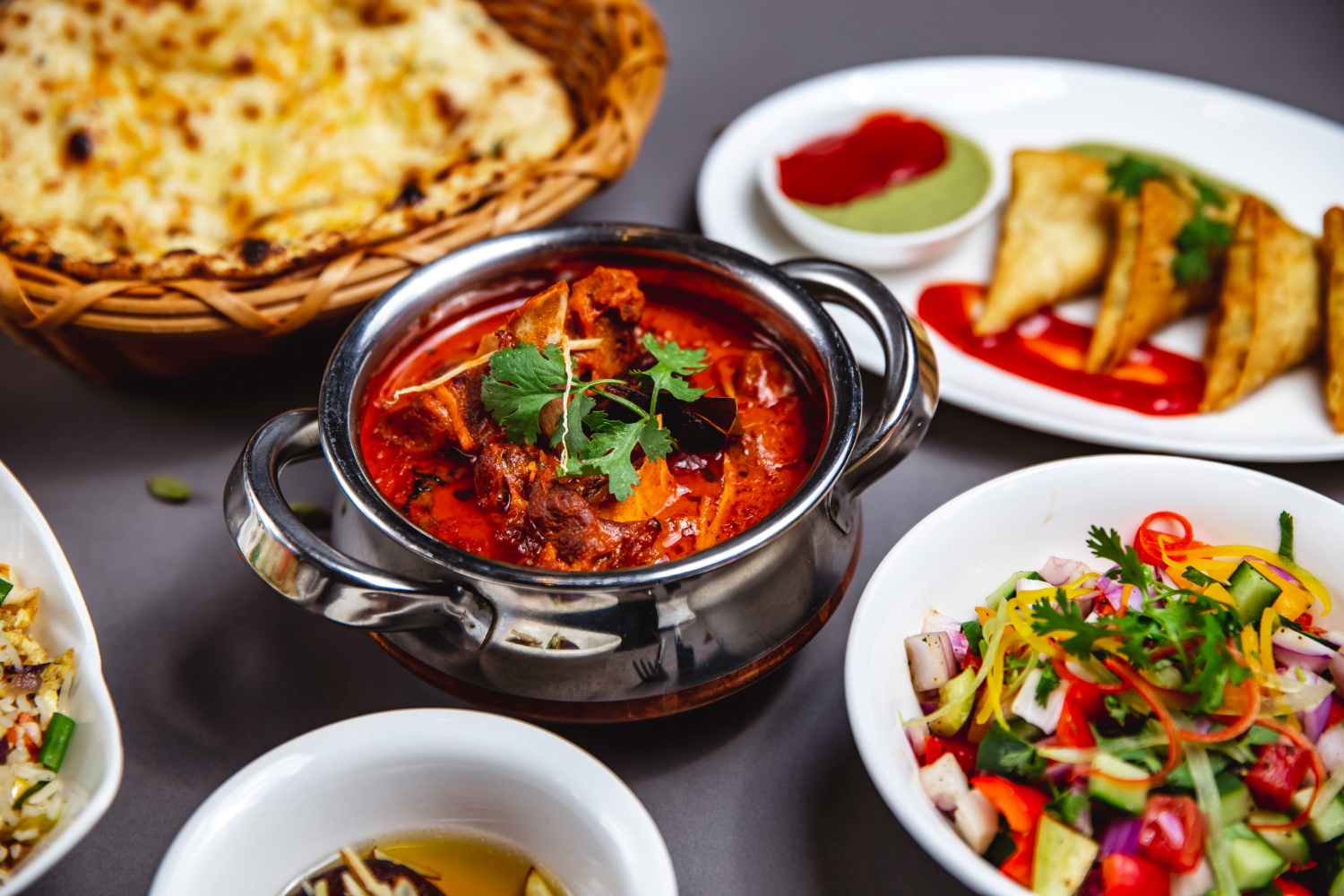
People in Pakistan eat a rich mix of curries, grilled meats, rice dishes, flatbreads, lentils and vegetables, usually seasoned with aromatic spices. Everyday meals centre around roti or naan served with salan (curry), while dishes like biryani, nihari, karahi and haleem are national favourites. Chai, or spiced milk tea, is enjoyed several times a day.
That is the short answer. The longer answer is far more interesting, because Pakistani cuisine changes dramatically as you travel from Karachi’s coastline to the mountains of Gilgit-Baltistan.
Having spent years eating my way through Lahore’s food streets and family kitchens across Punjab, I can tell you one thing with confidence. Food in Pakistan is not just fuel. It is hospitality, identity and celebration rolled into one plate.
The Everyday Pakistani Meal
Most households follow a simple, comforting pattern. Understanding it tells you more about Pakistani food culture than any restaurant menu.
A typical day of eating looks like this:
- Breakfast (Nashta): Paratha with fried eggs, yoghurt or leftover curry, plus a cup of doodh patti chai. On weekends, families often enjoy halwa puri, a beloved combination of semolina pudding, fried bread and chickpea curry.
- Lunch: Usually lighter. Daal (lentils) with roti, a vegetable dish like aloo palak (potato and spinach), or simple rice with curry.
- Dinner: The main event. Meat or chicken salan, seasonal vegetables, fresh roti or naan, salad and raita (yoghurt sauce).
Roti, a wholewheat flatbread cooked on a tawa, appears at nearly every meal. In fact, many Pakistanis will tell you a meal without roti simply does not count as a meal.
National Favourites Every Pakistani Knows
Some dishes cross every regional and social boundary. If you ask what people in Pakistan eat on special occasions or at their favourite restaurants, these names come up again and again.
- Biryani: Layered spiced rice with chicken, beef or mutton. Karachi-style biryani, with its bold masala and potatoes, has an almost cult following.
- Nihari: A slow-cooked beef stew, traditionally simmered overnight and eaten for breakfast with naan. Lahore and Karachi both claim to make it best.
- Karahi: Chicken or mutton cooked in a wok-like pan with tomatoes, ginger and green chillies. Ordered by weight at roadside restaurants.
- Haleem: A thick, hearty blend of wheat, lentils and shredded meat, garnished with fried onions, ginger and lemon.
- Seekh kebabs and chapli kebabs: Grilled or shallow-fried minced meat, smoky and heavily spiced. Chapli kebab is the pride of Peshawar.
- Daal chawal: Humble lentils with rice. The ultimate comfort food across all income levels.
In my experience, karahi is the dish Pakistanis order most when eating out with family. Watching it cooked fresh over roaring flames is half the pleasure.
Regional Cuisines: How Food Changes Across Pakistan
Pakistan has four provinces plus northern territories, and each region eats differently.
Punjab
Punjabi food is rich, buttery and generous. Think sarson ka saag with makai ki roti (mustard greens with cornbread), butter-laden daal makhani and Lahori fried fish in winter. Lahore is widely considered the food capital of Pakistan.
Sindh
Sindhi cuisine leans spicy and tangy. Sindhi biryani, with its sour yoghurt and plums, is sharper than other versions. Karachi, as a port city, adds seafood and a huge street food scene to the mix.
Khyber Pakhtunkhwa
Pashtun food is meat-forward and mildly spiced. Chapli kebab, kabuli pulao (rice with raisins and carrots) and dumba karahi (fat-tailed lamb) showcase pure meat flavour rather than heavy masala.
Balochistan
Home of sajji, a whole lamb or chicken marinated simply in salt and roasted over open fire. It is one of Pakistan’s oldest cooking traditions.
Gilgit-Baltistan
Northern food reflects Central Asian influence. Expect apricot-based dishes, buckwheat, hand-pulled noodles like chow chow rasa, and buttery salted tea.
Street Food Culture in Pakistan
No guide to Pakistani eating habits is complete without street food. Evenings in cities like Lahore, Karachi and Rawalpindi revolve around it.
Popular street foods include:
- Gol gappay (pani puri): Crisp hollow shells filled with spiced tangy water
- Samosas and pakoras: Fried snacks, essential during Ramadan iftar
- Bun kebab: Karachi’s answer to the burger, a spiced patty in a soft bun
- Chana chaat and dahi bhalla: Chickpea and yoghurt-based snacks
- Kulfi and falooda: Traditional frozen desserts for hot summer nights
Street food is affordable, social and deeply loved. My honest tip for visitors: choose busy stalls with high turnover, and you will rarely go wrong.
Drinks and Desserts
Chai deserves its own mention. Most Pakistanis drink two to four cups daily, and offering tea to guests is a non-negotiable act of hospitality. In summer, lassi (a yoghurt drink), Rooh Afza sherbet and fresh sugarcane juice take over.
For dessert, the classics include gulab jamun, kheer (rice pudding), gajar ka halwa (carrot halwa) in winter, and jalebi served hot and crisp.
Food, Faith and Festivals
Pakistani eating habits follow the Islamic calendar. All food is halal, so pork is absent and meat is prepared according to Islamic guidelines.
During Ramadan, eating patterns shift entirely to sehri (pre-dawn meal) and iftar (sunset meal), where dates, fruit chaat and pakoras dominate the table. Eid ul-Fitr brings sheer khurma, a vermicelli and milk dessert, while Eid ul-Adha centres on freshly sacrificed meat dishes like kaleji (liver fry) and barbecue.
Conclusion
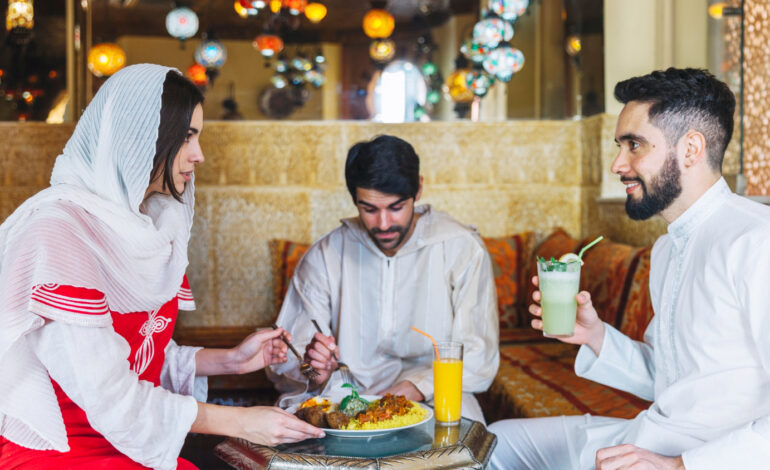
So, what do people in Pakistan eat? The everyday answer is roti, rice, lentils, vegetables and curries, brightened by chai and finished with something sweet. The fuller answer is a diverse, regional and deeply social cuisine where Punjabi richness, Sindhi spice, Pashtun grilled meats and northern mountain flavours all sit Cook Sirloin at the same national table. If you get the chance to share a Pakistani meal, accept it. The food is generous, and so are the people serving it.
Frequently Asked Questions
1.What is the most popular food in Pakistan?
Biryani is arguably the most popular dish in Pakistan, followed closely by karahi and nihari. For everyday meals, roti with salan and daal chawal are the true staples in what people in Pakistan eat daily.
2.What do Pakistanis eat for breakfast?
Common breakfasts include paratha with eggs or yoghurt, and doodh patti chai. On weekends and holidays, halwa puri with chana curry is a national favourite.
3.Is Pakistani food the same as Indian food?
They share roots but differ clearly. Pakistani cuisine is more meat-focused, entirely halal, and generally uses richer gravies, while many Indian regional cuisines are vegetarian-led with different spice profiles.
4.Is Pakistani food very spicy?
It varies by region. Sindhi and Punjabi dishes can be quite hot, while Pashtun and northern cuisines are milder and rely on meat flavour rather than chilli heat.
5.What do people in Pakistan drink with meals?
Chai is the national drink, consumed throughout the day. With meals, people commonly drink water, lassi, or soft drinks, and sugarcane juice is popular in summer.