

Introduction
Craving a slice from your local pizzeria, but wondering about the calorie count? You’re not alone. Understanding how many calories in a pizzeria slice of pizza is essential if you’re tracking your diet, managing weight, or simply making informed food choices. The answer isn’t as straightforward as you might think, because calories vary significantly depending on the pizza style, toppings, crust thickness, and the specific pizzeria you’re visiting.
In this guide, we’ll break down the calorie content of typical pizzeria slices, explore the factors that affect nutritional values, and give you practical strategies for enjoying pizza while staying aligned with your health goals.
Quick Answer
A standard pizzeria slice of pizza contains approximately 250 to 300 calories, depending on crust thickness, cheese amount, and toppings. Thin crust slices run lower, while thick crust and loaded meat pizzas run higher.
How Many Calories in a Pizzeria Slice of Pizza? The Basics
When you order a slice at your favourite pizzeria, the calorie content depends on several key factors. Most standard pizzerias cut their pizzas into 8 slices, meaning each slice represents one-eighth of the whole pie.
A typical medium pizza from a standard pizzeria contains between 2,000 and 2,400 calories total. This means each slice of pizza from that medium pizza ranges from 250 to 300 calories. However, this is just the baseline for a classic cheese pizza.
The moment you add toppings, the numbers shift. Pepperoni adds roughly 50 calories per slice. Additional meats like sausage, bacon, or ham can add 30 to 60 calories each. Vegetables like mushrooms, peppers, and onions add minimal calories, usually under 10 calories per slice.
Understanding Pizzeria Slice Variables
Crust Type and Thickness
The crust is your biggest calorie variable. Thin crust pizzas are lighter and contain fewer calories per slice, typically ranging from 200 to 250 calories. Standard hand-tossed crust sits in the 250 to 300 calorie range. Deep-dish or pan pizzas can reach 350 to 400 calories per slice, and stuffed crust varieties may exceed 400 calories.
Why does crust matter so much? The dough itself contains carbohydrates and fat, and thicker portions mean more of both. A thin crust pizza uses less dough and therefore less oil, resulting in a lighter slice.
Cheese Content
Cheese is surprisingly calorie-dense. A standard slice of pizza from your local pizzeria typically has 1.5 to 2 ounces of cheese. Each ounce of mozzarella contains roughly 80 calories. A slice with standard cheese coverage contributes approximately 120 to 160 calories from cheese alone.
Some pizzerias use more generous cheese portions, especially if you request extra cheese. This can push your slice to 350 calories or higher, depending on other factors.
Topping Combinations
Your topping choices dramatically impact the total calorie count of a pizza slice. Here’s how common pizzeria toppings affect calories:
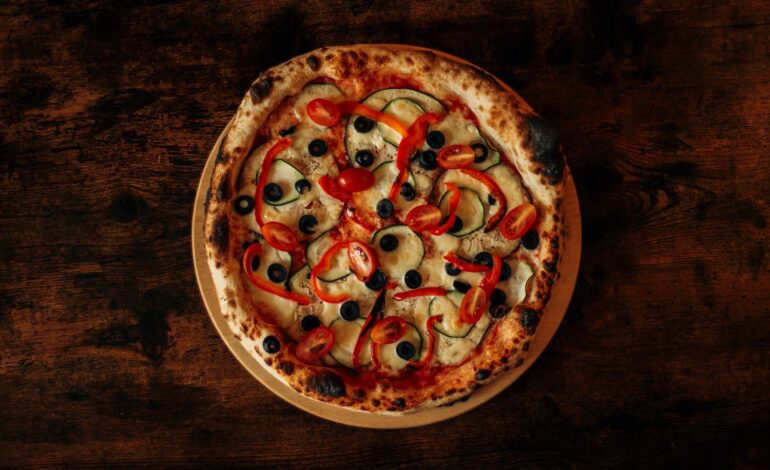
Pepperoni pizza: Add 50 to 80 calories per slice. Meat lovers pizza with pepperoni, sausage, bacon, and ham can reach 380 to 420 calories per slice. Vegetarian pizza with peppers, mushrooms, olives, and onions might be 280 to 320 calories per slice.
Oil and sauce matter too. Some pizzerias brush garlic oil on their crust or drizzle olive oil on finished slices. This can add 20 to 40 calories per slice.
Calorie Breakdown by Pizzeria Style
Traditional New York Style
New York style pizza features a thin, foldable crust and moderate cheese. A typical slice contains 250 to 280 calories. This style is relatively calorie-conscious compared to thicker alternatives.
Chicago Deep-Dish
Chicago style is famous for its thick, buttery crust and generous cheese. Expect 350 to 400 calories per slice, sometimes higher. The thicker dough and deeper cheese layer significantly increase the calorie density.
Detroit Square Pizza
Detroit-style pizza uses a rectangular pan and has crispy edges with airy crumb. A square slice typically contains 280 to 320 calories, making it a moderate option between thin and deep-dish styles.
Neapolitan
Traditional Neapolitan pizza features a thinner crust with high-quality toppings and less cheese. A slice usually contains 200 to 240 calories, making it one of the lower-calorie pizzeria options.
Latest Industry Statistics and Trends
Recent surveys show that 73 percent of Americans consume pizza regularly, with the average person consuming approximately 46 slices annually. The pizza industry has increasingly recognised demand for nutritional transparency, with many modern pizzerias now publishing calorie information online.
Health-conscious pizza trends have emerged, including cauliflower crusts (typically 150 to 200 calories per slice), whole wheat crusts (260 to 290 calories), and plant-based meat alternatives. These innovations reflect consumer interest in understanding how many calories in a pizzeria slice of pizza and making healthier choices.
Practical Strategies for Enjoying Pizza Responsibly
Portion Control
Eating just one or two slices instead of three or four is the simplest way to manage calorie intake. A single slice of pizza from most pizzerias fits comfortably into a balanced meal.
Choose Wisely
Opting for vegetarian or light meat toppings reduces calories. Request extra vegetables and go easy on extra cheese. Some pizzerias allow customisation without additional charge.
Balance Your Meal
Pair your pizza slice with a side salad or light soup to add volume and nutrients without excessive calories. This helps you feel satisfied with fewer slices.
Know Your Pizzeria
If you have a regular pizzeria, ask about their nutritional information. Many establishments now provide detailed breakdowns of how many calories in a pizzeria slice of pizza for each style and topping combination.
Common Mistakes When Estimating Pizza Calories
Many people underestimate pizza calories. They might assume a slice is only 150 to 200 calories when it’s actually 300 plus. This happens because pizza looks deceptively light despite being calorie-dense from oils, cheese, and dough.
Another common mistake is not accounting for crust thickness. Casual pizza eaters often treat all pizza slices the same, ignoring significant differences between thin and thick crusts.
People also forget that finishing the oil-soaked crust adds extra calories. That delicious crispy edge often contains concentrated oil and salt.
Expert Tips for Making Informed Choices
Experienced nutritionists recommend checking pizzeria nutrition databases before ordering. Major pizza chains publish this information publicly. For independent pizzerias, you can make educated estimates based on pizza style and your understanding of how many calories in a pizzeria slice of pizza.
Consider the full meal context. If you’re eating pizza as your main course, a 300-calorie slice might represent 15 to 20 percent of your daily intake. That’s reasonable for most people. However, if you’re eating pizza alongside garlic bread, wings, or sugary drinks, your total meal calories climb quickly.
Key Takeaways
Understanding how many calories in a pizzeria slice of pizza empowers you to make better dietary decisions. Most standard pizzeria slices contain 250 to 300 calories, but this varies based on crust type, cheese amount, and toppings. Thin crusts are lighter, whilst deep-dish varieties are heavier.
Vegetable toppings add minimal calories, whilst meats and extra cheese increase the count significantly. Check your specific pizzeria’s nutritional information when available. Balance pizza meals with vegetables and exercise portion control to enjoy your favourite food whilst maintaining your health goals.
The key is informed choice rather than complete avoidance. By understanding the calorie content and factors affecting how many calories in a pizzeria slice of pizza, you can enjoy this beloved food as part of a balanced lifestyle.
Conclusion
Understanding how many calories in a pizzeria slice of pizza is straightforward once you know what factors influence calorie content. Most slices range from 250 to 300 calories for standard offerings, but crust style, cheese amount, and toppings create variation.
Rather than avoiding pizza altogether, use this knowledge to make informed choices. Choose your pizzeria style deliberately, select toppings mindfully, and practice portion control. Whether you prefer a crispy thin crust slice or an indulgent deep-dish variety, knowing the calorie content helps you enjoy pizza guilt-free as part of a balanced diet.
Start by asking your favourite pizzeria about calorie information for their slices. Once you understand your options, you’ll confidently order pizza that aligns with your nutritional goals and taste preferences. Pizza can absolutely fit into a healthy lifestyle when approached with knowledge and intention.
Frequently Asked Questions
1.What’s the average calorie count in a standard pizzeria slice?
A typical slice from a medium pizzeria pizza contains 250 to 300 calories, though this varies based on crust thickness and toppings.
2.Does thin crust pizza have fewer calories than thick crust?
Yes. Thin crust slices typically contain 200 to 250 calories, whilst thick or deep-dish crusts range from 350 to 400 calories per slice.
3.How do toppings affect how many calories in a pizzeria slice of pizza?
Meat toppings add 30 to 80 calories per slice, whilst vegetables add under 10 calories. Cheese is already counted in base calories but extra cheese adds 30 to 50 calories.
4.Is Neapolitan pizza lower in calories than other styles?
Neapolitan pizza typically offers 200 to 240 calories per slice, making it one of the lighter pizzeria options available.
5.Can I find nutritional information at my local pizzeria?
Many modern pizzerias provide nutritional details online or in-store. Chain pizzerias almost always publish this information