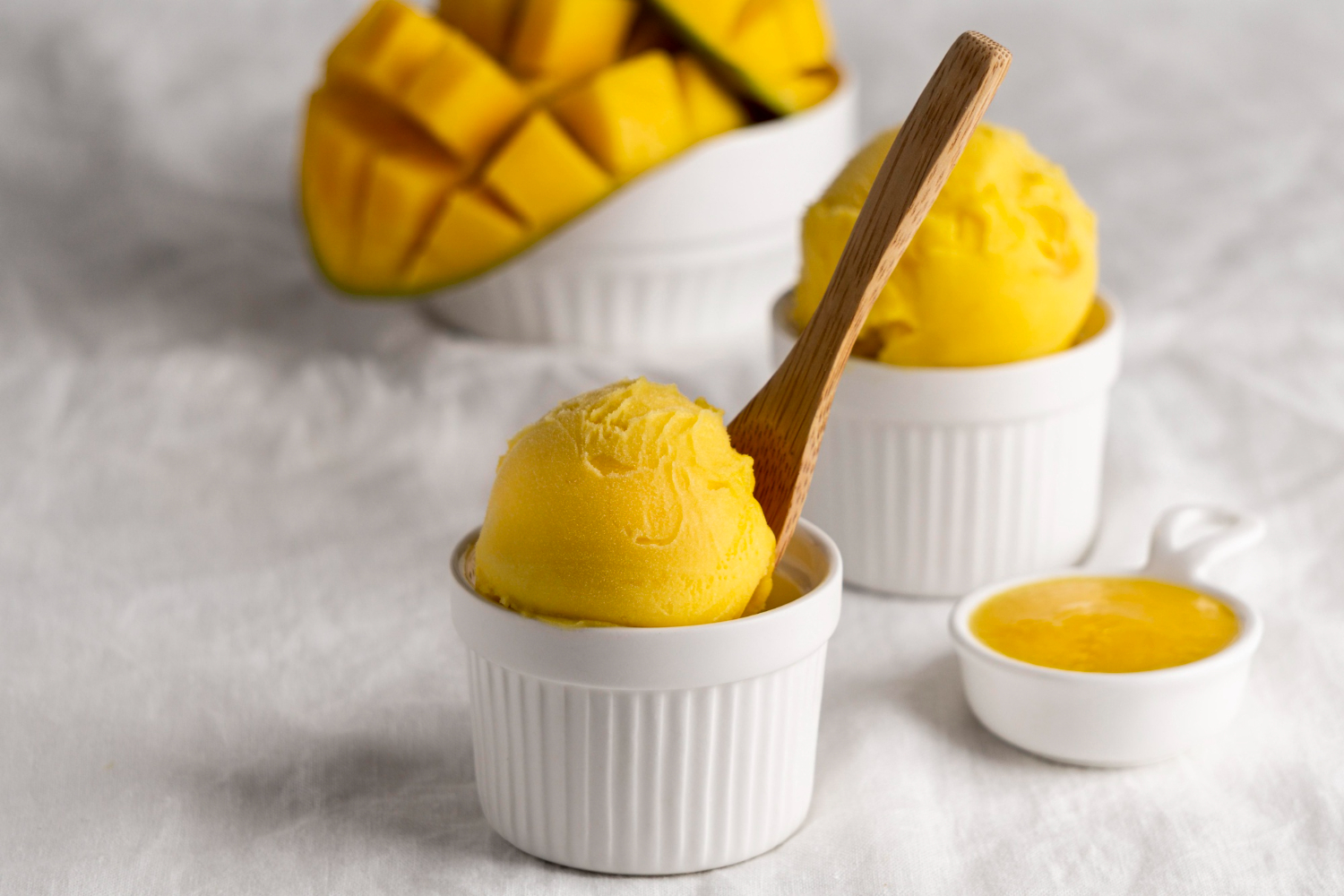


If you’ve ever found a tub at the back of the freezer and wondered whether it’s still safe to eat, you’re not alone. So, how long does ice cream last in the freezer? Unopened ice cream lasts up to two months past its printed date, while an opened tub is best eaten within one to two months for the best taste and texture. It won’t make you ill much beyond that, but the quality drops fast.
Below, we’ll walk through exact storage times, why ice cream loses quality over time, how to spot spoilage, and simple ways to make each tub last longer.
How Long Does Ice Cream Last in the Freezer, Exactly?
Ice cream is a low-risk food when it comes to bacterial spoilage, because it’s stored well below freezing point. That said, Make Ice Cream quality (not just safety) matters just as much to most people.
Here’s a quick breakdown:
- Unopened, store-bought ice cream: 2 to 4 months for best quality, safe indefinitely at 0°F (-18°C) or below
- Opened tub, properly sealed: 1 to 2 months for best flavour and texture
- Homemade ice cream: 1 to 2 months, as it lacks the stabilisers used commercially
- Soft-serve or melted-and-refrozen ice cream: Best used within a few days, and only if it was refrozen quickly
These are quality windows, not strict safety cut-offs. Ice cream kept constantly frozen at 0°F or below is technically safe to eat well beyond these times. The texture, however, tells a different story.
Why Ice Cream Quality Declines Over Time
Ice cream is essentially a mix of fat, sugar, air, and ice crystals. Every time your freezer door opens, the temperature fluctuates slightly. This causes tiny ice crystals to melt and refreeze, growing larger each cycle.
That’s why old ice cream often turns grainy or icy rather than smooth. Food scientists call this process recrystallisation, and it’s the single biggest reason ice cream stops tasting fresh.
Air exposure is the second culprit. Once a tub is opened, oxygen reacts with the fats in the mix, leading to a stale, slightly waxy flavour known as oxidation. This is the same reaction that makes butter go rancid, just much slower at freezer temperatures.
Signs Your Ice Cream Has Gone Off
Ice cream rarely becomes dangerous to eat, but it can become genuinely unpleasant. Watch for these signs:
- Ice crystals or a frosty layer on top: A sign of freezer burn, not spoilage, but the texture will be dry and crumbly
- A hardened, waxy surface: Usually caused by repeated melting and refreezing
- An off smell: Sour, stale, or “freezer” smells suggest it’s past its best
- Discolouration: Yellowish or grey patches can indicate oxidation
- A gritty or icy texture: Caused by large ice crystals from temperature swings
If you notice a strong off smell or unusual colour change, it’s safest to throw the tub away rather than risk it.
Expert Tips to Make Ice Cream Last Longer
As someone who has tested storage methods across several freezer types, a few small habits make a noticeable difference to how long ice cream stays creamy.
- Keep your freezer at 0°F (-18°C) or colder. Use a freezer thermometer if you’re not sure, since many home freezers run warmer than people expect.
- Press a layer of cling film onto the surface before sealing the lid. This limits air contact and slows oxidation significantly.
- Store tubs at the back of the freezer, away from the door, where temperature swings are smallest.
- Avoid the freezer door shelf. It’s the warmest, most unstable part of the freezer.
- Use an airtight container if you’ve transferred ice cream from its original packaging.
- Don’t refreeze fully melted ice cream. Once it’s liquid, bacteria can multiply, and the texture won’t recover anyway.
These steps won’t extend shelf life indefinitely, but they do slow down recrystallisation and oxidation, which are the two main reasons ice cream stops tasting good.
Does Ice Cream Ever Actually Expire?
Most ice cream cartons carry a “best before” date rather than a “use by” date. This distinction matters. A best before date is about peak quality, not food safety. Ice cream kept continuously frozen doesn’t harbour the bacteria that cause food poisoning, unlike dairy products stored in the fridge.
The real risk comes from temperature abuse, meaning the product partially thawing and refreezing multiple times. This can allow bacteria to grow during the thawed periods, even briefly. If your ice cream has ever sat out at room temperature for more than two hours, it’s best not to eat it, regardless of the date on the tub.
Quick Answer Summary
- Unopened ice cream lasts 2 to 4 months in the freezer for best quality
- Opened ice cream is best eaten within 1 to 2 months
- Ice cream stored at 0°F or below is safe indefinitely, though quality drops over time
- Freezer burn and iciness are quality issues, not safety issues
- Never refreeze fully melted ice cream
Conclusion
So, how long does ice cream last in the freezer? Unopened, you’re looking at two to four months for the best quality. Once opened, try to finish it within one to two months while it’s still smooth and creamy. Beyond these windows, ice cream stored at 0°F (-18°C) or below usually stays safe to eat, but recrystallisation and oxidation will have taken their toll on flavour and texture.
The habits that matter most are keeping your freezer consistently cold, Gelato vs Ice Cream sealing the tub tightly with cling film, and storing it away from the door. Get those right, and you’ll get far more enjoyable scoops out of every tub before it’s time to say goodbye.
Frequently Asked Questions
1.Can I eat ice cream that’s a year past its best-before date?
If it’s been kept constantly frozen at 0°F or below, it’s likely still safe to eat, but the texture and flavour will probably have suffered. Check for ice crystals, discolouration, or an off smell before eating.
2.Does ice cream really last that long in the freezer, or should I toss it sooner?
Ice cream lasts safely in the freezer for a long time, but for the best taste and creamiest texture, it’s worth eating opened tubs within one to two months.
3.Why does my ice cream get icy after a few weeks?
This is caused by recrystallisation, where small ice crystals melt and refreeze repeatedly due to temperature changes in the freezer. Keeping the tub at a stable, cold temperature slows this process down.
4.Is it safe to eat ice cream with freezer burn?
Yes, freezer burn is a quality issue rather than a safety one. The dry, icy patches won’t harm you, though the texture and flavour will be noticeably worse.
5.How long does homemade ice cream last in the freezer compared to shop-bought?
Homemade ice cream typically lasts 1 to 2 months, shorter than shop-bought varieties, because it lacks the stabilisers and emulsifiers that commercial brands use to slow down ice crystal growth.