How to Enjoy Pakistani food with Easy Traditional Recipes

Pakistani food is bold, aromatic and built around slow-cooked spices, tender meat and fresh bread. Whether you have tried it once at a restaurant or grown up eating it at home, learning how to enjoy Pakistan Eat properly makes every meal more satisfying. This guide covers the traditions behind the cuisine, easy recipes to try at home and practical tips for pairing, spice levels and etiquette.
What Makes Pakistani Food Different
Pakistani food sits at the crossroads of Mughal, Central Asian and South Asian cooking traditions. It shares some dishes with Indian cuisine, but the flavour profile leans more heavily on meat, dairy and warming spices such as garam masala, cumin and black cardamom.
A few things set it apart:
- More meat-forward dishes. Beef, mutton and chicken feature heavily, unlike many vegetarian-leaning Indian regional cuisines.
- Richer use of dairy. Ghee, yoghurt and cream appear in curries, marinades and desserts.
- Slow cooking is central. Dishes like nihari and haleem are cooked for hours to develop depth of flavour.
- Bread over rice in daily meals. Roti and naan are the everyday staple, with rice dishes like biryani reserved more for special occasions.
If you are asking “is Pakistani food the same as Indian food”, the honest answer is no. They share history and some techniques, but the balance of spice, meat and dairy differs by region and household.
How a Traditional Pakistani Meal Is Structured
Most guides jump straight into recipes without explaining how a real Pakistani meal actually comes together. Understanding the structure helps you enjoy the food the way it is meant to be eaten.
A typical Pakistani meal usually includes:
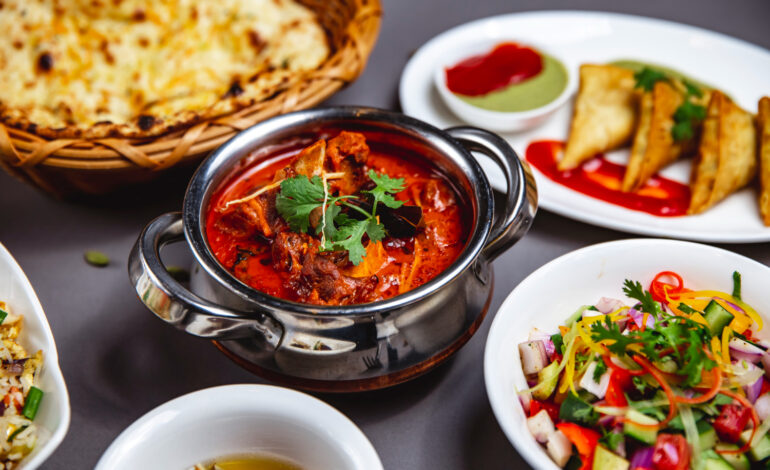
- A main curry or karahi as the centrepiece, such as chicken karahi or aloo gosht.
- Bread or rice to go with it, most often roti, naan or pulao.
- A side salad of sliced onions, cucumber and tomato with a squeeze of lemon.
- A chutney or raita to cool down the heat, often mint or tamarind based.
- A drink, usually lassi, chai or plain water rather than fizzy drinks.
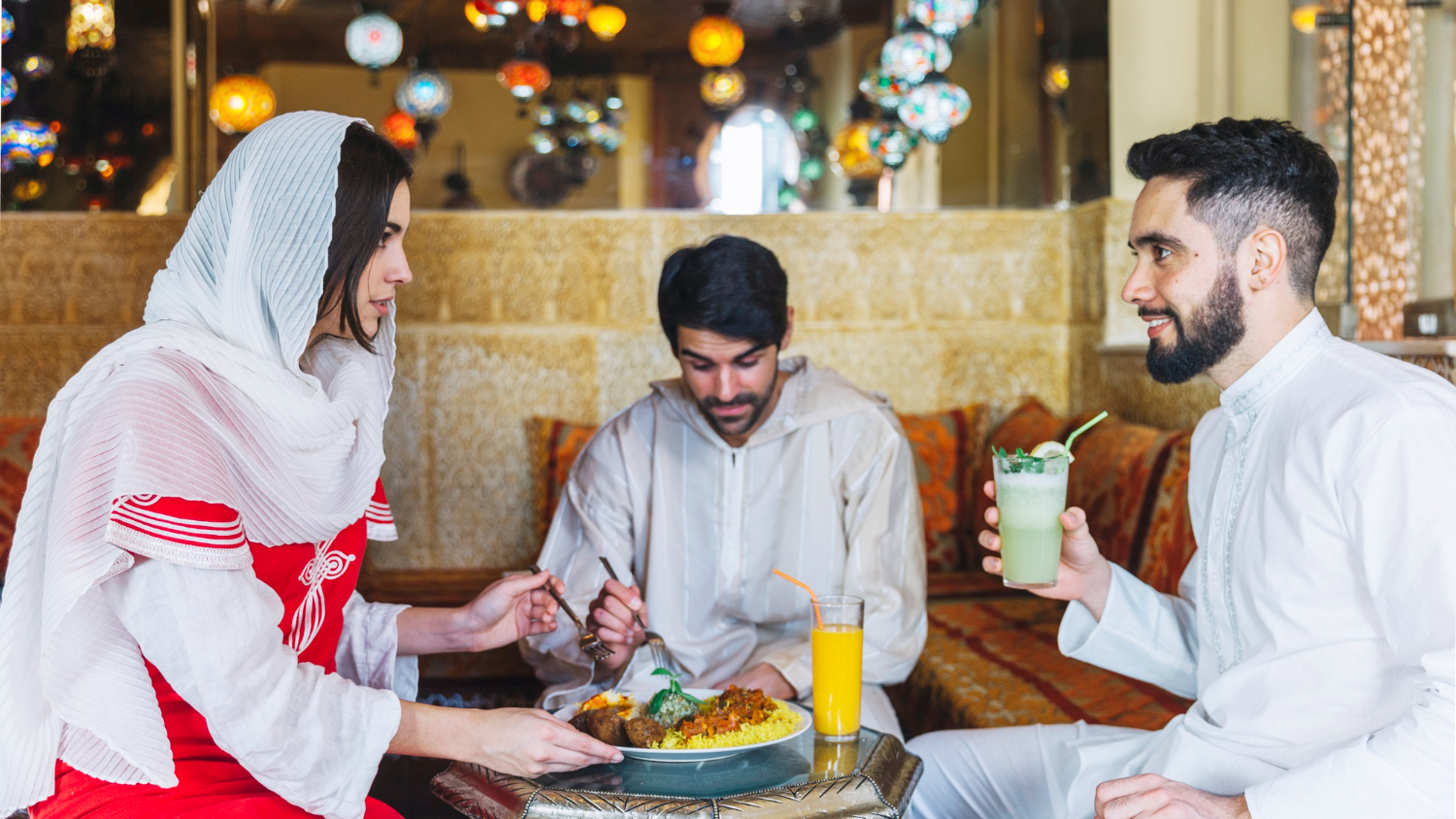
Meals are often shared from communal serving dishes, and it is completely normal to mix curry into rice or scoop it up with torn bread rather than using a fork.
Regional Pakistani Food You Should Know
Pakistan is a large country, and food changes a lot from one province to another. Recognising these differences gives you a fuller picture of what Pakistani cuisine actually means.
- Punjab: Known for rich, buttery dishes like chicken karahi, sarson ka saag and tandoori naan. Punjabi food tends to be heavier and more generous with ghee.
- Sindh: Famous for Sindhi biryani, which is spicier and tangier than other biryani styles, along with seafood dishes along the coast.
- Khyber Pakhtunkhwa (KPK): Simpler, meat-focused cooking with less spice, such as chapli kebab and namkeen gosht, reflecting Afghan and Central Asian influence.
- Balochistan: Known for sajji, a whole roasted lamb or chicken marinated simply in salt and spices, cooked over an open flame.
Trying dishes from more than one region is one of the best ways to understand how varied Pakistani food really is.
Easy Traditional Pakistani Recipes to Try at Home
You do not need years of experience to cook good Pakistani food. These recipes are simplified for home kitchens while staying true to traditional flavour.
Chicken Karahi (Beginner-Friendly Version)
Chicken karahi is arguably the most popular dish in Pakistan and a great starting point for beginners.
Ingredients
- 1 kg chicken, cut into pieces
- 4 tbsp cooking oil or ghee
- 4 medium tomatoes, chopped
- 2 green chillies, sliced
- 1 tbsp ginger garlic paste
- 1 tsp red chilli powder
- 1 tsp cumin seeds
- Salt to taste
- Fresh coriander and julienned ginger to garnish
Method
- Heat the oil in a karahi or wide pan and add cumin seeds until fragrant.
- Add the chicken and cook on high heat for 5 to 7 minutes until sealed.
- Stir in the ginger garlic paste and cook for a further 2 minutes.
- Add the chopped tomatoes, chilli powder and salt, then cover and cook until the tomatoes break down into a thick sauce.
- Add green chillies and simmer for another 5 minutes until the oil separates from the sauce.
- Garnish with coriander and ginger, then serve hot with naan or roti.
This dish takes around 40 minutes from start to finish and works well for a first attempt at Pakistani cooking.
Aloo Keema (Minced Meat with Potatoes)
A simple, one-pot dish that is common in everyday Pakistani households.
- Brown 500g minced beef or lamb with chopped onion, ginger garlic paste and standard spices (turmeric, chilli powder, cumin, coriander).
- Add diced potatoes and a splash of water, then cover and simmer for 20 to 25 minutes until the potatoes are soft.
- Finish with fresh coriander and serve with roti.
Chana Chaat (No-Cook Street Food Snack)
For something quick and light, chana chaat is a chickpea salad found on Pakistani street food stalls.
- Mix boiled chickpeas with chopped onion, tomato, cucumber and boiled potato.
- Add lemon juice, chaat masala, a little tamarind chutney and fresh coriander.
- Toss and serve immediately as a starter or light snack.
Lassi (Traditional Yoghurt Drink)
Lassi is the classic accompaniment to spicy Pakistani food. Blend plain yoghurt with cold water or milk, a little sugar or salt, and serve chilled. The sweet version pairs well with rich curries, while salted lassi is traditional with spicier meals.
How to Enjoy Pakistani Food Like a Local
Knowing how to eat the food properly makes a real difference to the experience, especially if you are new to it.
- Eat with your right hand if you can. It is traditional and considered polite, though cutlery is always available and perfectly acceptable.
- Start mild if you are new to the spice level. Ask for dishes to be made “kam mirch” (less chilli) rather than avoiding Pakistani food altogether.
- Always pair rich dishes with something cooling. Raita, salad or lassi balances the heat and richness of curries.
- Share dishes rather than ordering individually. Pakistani meals are designed to be eaten family-style, with several dishes in the middle of the table.
- Finish with chai, not dessert first. A cup of doodh patti chai is the traditional way to close a meal, often alongside something sweet like gulab jamun.
Cooking Pakistani Food in the UK
If you are based in the UK and want to cook Pakistani food at home, sourcing ingredients is easier than most people expect.
- Most UK supermarkets now stock basics like garam masala, cumin and coriander in the world foods aisle.
- South Asian grocers, common in cities like Birmingham, Bradford and London, stock specialist items such as fresh curry leaves, paneer and proper basmati rice at better prices.
- Halal butchers are widely available in most UK towns and are the best source for good-quality meat cuts for karahi, nihari or biryani.
- If you want to eat out rather than cook, look for restaurants that specialise in Punjabi or Kashmiri style cooking, as these tend to be closest to home-style Pakistani food rather than the milder “curry house” style.
Is Pakistani Food Healthy?
Pakistani food can absolutely fit into a balanced diet, though it depends on preparation.
- Dishes cooked with less oil and ghee, such as grilled tikka or plain daal, are naturally lighter.
- Vegetarian options exist and are common, including chana masala, saag, daal and mixed vegetable curries, even though the cuisine is generally meat-forward.
- Portion control matters more than avoidance. Rich dishes like biryani or karahi are fine occasionally as part of a varied diet.
- Yoghurt-based sides like raita add protein and probiotics, and are a genuinely useful addition rather than just a flavour balance.
| Also Read: How Long Is Pizza Good for in the Fridge |
Quick Summary
- Pakistani food is meat and dairy forward, shaped by Mughal and Central Asian influence.
- A traditional meal includes a main curry, bread or rice, salad, chutney and a drink like lassi or chai.
- Regional variations matter, from rich Punjabi karahi to spicy Sindhi biryani and simple KPK meat dishes.
- Chicken karahi, aloo keema, chana chaat and lassi are easy starting points for home cooks.
- Eating etiquette, spice pairing and sharing dishes are part of enjoying the cuisine properly.
- UK cooks can source most ingredients through supermarkets, South Asian grocers and halal butchers.
Conclusion
Pakistani food rewards a bit of understanding before you dive in. Once you know how a meal is structured, how the regions differ and how to balance spice with the right sides, home cooking becomes far more approachable. Start with a simple chicken karahi or aloo keema, pair it properly with lassi or raita, and you will get a genuine taste of what makes Pakistani food so widely loved.
Frequently Asked Questions
1.Is Pakistani food very spicy?
Not all of it. Spice levels vary by dish and household. Many restaurants and home cooks will happily reduce the chilli level on request, so it is worth asking rather than avoiding the cuisine altogether.
2.What is the difference between Pakistani and Indian food?
Pakistani food tends to use more meat, ghee and dairy, with less emphasis on regional vegetarian dishes compared to many Indian cuisines. Both share techniques and some dishes, but the flavour balance and everyday staples differ.
3.What is the most popular Pakistani dish?
Chicken karahi and biryani are generally considered the most popular and widely recognised Pakistani dishes, both at home and in restaurants.
4.Can I make Pakistani food without a tandoor?
Yes. Most home recipes use a regular stovetop pan or oven. A tandoor is traditional for naan and tikka, but a hot cast-iron pan or grill gives good results at home.
5.Are there vegetarian options in Pakistani food?
Yes. Daal, chana masala, saag and mixed vegetable curries are common and traditional, even though the cuisine overall leans towards meat-based dishes.