Is Sweet Potato Casserole a Dessert

If you’ve ever stared at a sweet potato casserole at the Thanksgiving table and thought this tastes like pudding, you’re not imagining things. The question of whether sweet potato casserole is a dessert has sparked genuine debate at dinner tables for decades. And honestly, it deserves a proper answer.
The short version? It depends on how it’s made and who’s eating it.
What Is Sweet Potato Casserole, Exactly?
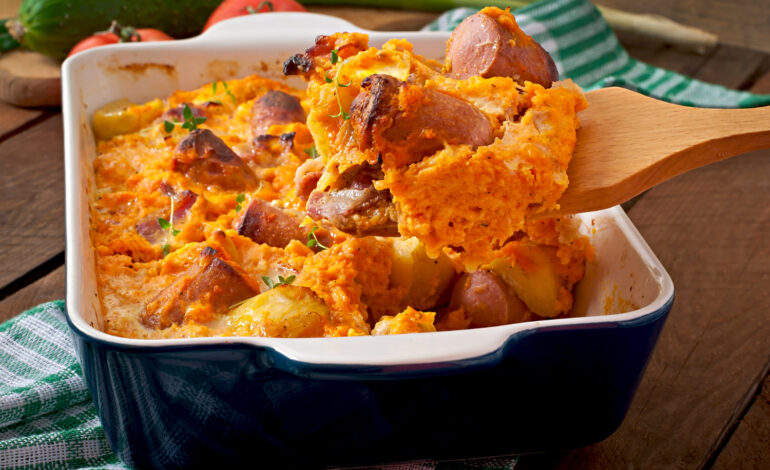
Sweet potato casserole is a baked dish made from mashed sweet potatoes blended with butter, eggs, sugar, and warm spices like cinnamon and nutmeg. It’s usually topped with either toasted marshmallows or a crunchy pecan and brown sugar streusel.
It’s a cornerstone of American holiday cooking, particularly at Thanksgiving. But the ingredients tell a surprisingly complicated story about where it actually belongs on the table.
Is Sweet Potato Casserole a Dessert or a Side Dish?
This is the real question, and the answer sits squarely in grey territory.
Traditionally, sweet potato casserole is served as a side dish alongside roasted turkey, stuffing, and green bean casserole. That placement has been consistent across American holiday cooking since at least the mid-20th century.
But look at what goes into a standard recipe:
- Mashed sweet potatoes (naturally high in natural sugars)
- Brown sugar or white sugar
- Butter
- Eggs
- Vanilla extract
- Cinnamon and nutmeg
- A marshmallow topping or a pecan streusel loaded with more sugar
Strip away the casserole dish and those ingredients read like a pudding or a pie filling. Some recipes contain more sugar per serving than a slice of Victoria sponge.
So why does it keep landing next to the turkey?
Why the “Side Dish” Label Has Stuck
Tradition is a powerful thing in food culture.
Sweet potatoes are classified as a starchy vegetable, and the dish evolved from simpler preparations like roasted or boiled sweet potatoes served alongside meat. That vegetable origin has kept it anchored on the savoury side of the table, even as recipes have grown sweeter over generations.
There’s also the matter of meal structure. Serving it alongside other sides reinforces its role as an accompaniment rather than a standalone sweet. When green bean casserole and mashed potatoes are sitting in the same row, sweet potato casserole reads as part of the same category by association.
Cultural habit, not culinary logic, is doing most of the heavy lifting here.
When It Genuinely Crosses Into Dessert Territory
Not every sweet potato casserole recipe is the same. Some lean so far into sweetness that calling them a “side dish” becomes difficult to defend.
Consider these variations:
- Marshmallow-topped versions with a sugary base that caramelises in the oven
- Recipes using condensed milk or cream cheese, adding richness closer to a cheesecake
- Mini casseroles in ramekins finished with a torched sugar crust, essentially a sweet potato crème brûlée
- Versions with a biscuit or pastry base, which blur the line with pie almost entirely
When a dish contains more sugar than a standard birthday cake and is finished with melted marshmallows, the “side dish” label is really just a matter of convention.
Some American restaurants now list sweet potato casserole on their dessert menus during the autumn and winter seasons. Food writers and chefs outside the United States, encountering the dish for the first time, almost universally categorise it as a dessert based on taste alone.
Sweet Potato Casserole vs Sweet Potato Pie
This comparison is revealing.
Sweet potato pie contains almost identical core ingredients: mashed sweet potato, eggs, butter, sugar, and warm spices. Nobody debates whether sweet potato pie is a dessert. It sits on the pudding table without question.
The main structural difference is the pastry shell. Remove the crust, place the filling in a casserole dish, and add a marshmallow topping. You’ve made sweet potato casserole. The flavour profile is nearly identical. The sugar content is comparable. The eating experience is similar.
The only real difference is form, not substance.
What the Nutrition Tells Us
Sweet potatoes on their own are excellent. They’re high in fibre, vitamin A, potassium, and antioxidants. As whole foods go, they’re genuinely nutritious.
Sweet potato casserole is a different matter.
A typical serving contains between 250 and 400 calories, depending on the recipe. Sugar content generally ranges from 20 to 35 grams per portion. That places it in the same nutritional bracket as many cakes and puddings. The added butter and toppings push it firmly into indulgent territory.
That’s not a criticism. Indulgent food has its place. But nutritionally speaking, treats belong in the dessert category.
How Context and Culture Shape the Answer
In American households, sweet potato casserole is almost always served as a Thanksgiving side dish, regardless of how sweet the recipe is. That tradition is deeply embedded in the culture and unlikely to shift any time soon.
Outside the United States, the picture is different. Food writers and home cooks encountering the dish without that cultural context tend to taste it and immediately call it what it resembles: a dessert.
The truth is that “dessert” and “side dish” are social constructs as much as culinary categories. What counts as a dessert depends on where you grew up, how your family served it, and what came before and after it on the table.
Quick Summary: Is Sweet Potato Casserole a Dessert?
| Factor | Verdict |
| Traditional placement | Side dish |
| Ingredient profile | Dessert-like |
| Compared to sweet potato pie | Nearly identical |
| Sugar content per serving | Comparable to cake |
| Outside US cultural view | Dessert |
The honest answer: sweet potato casserole is a dessert-adjacent side dish. It exists in a legitimate grey area, and that’s part of what makes it interesting.
Conclusion
To put it plainly: officially it’s a side dish, and traditionally it’s served that way. But take one bite of a marshmallow-topped sweet potato casserole and you’ll understand why this question refuses to go away.
Whether sweet potato casserole is a dessert comes down to how it’s made, where it’s served, and who’s doing the defining. By ingredients, it often qualifies. By tradition, it doesn’t quite fit. By taste, it usually does.
The most accurate answer is this: it’s a dish that deserves a category of its own. Call it a holiday side, call it a sweet casserole, or just call it delicious. Where it sits on the table matters far less than how good it tastes.
Frequently Asked Questions
1.Is sweet potato casserole a dessert or a side dish?
It is traditionally served as a Thanksgiving side dish in the United States. However, its sugar content, spice profile, and sweet toppings give it a flavour and nutritional profile closer to a dessert. In many contexts, particularly outside the US, it would be categorised as a dessert without hesitation.
2.Why does sweet potato casserole have marshmallows on top?
The marshmallow topping became popular in the United States in the early 20th century, partly driven by marketing from marshmallow manufacturers encouraging home cooks to use the product in savoury and sweet recipes alike. It adds a caramelised sweetness and textural contrast to the creamy potato base.
3.Can you serve sweet potato casserole as a dessert?
Absolutely. Many people do, particularly in smaller portions served in individual ramekins. It pairs well with a scoop of vanilla ice cream or a generous spoonful of whipped cream. Serving it this way simply makes its dessert qualities more explicit.
4.What is the difference between sweet potato casserole and sweet potato pie?
The primary difference is structure. Sweet potato pie is baked inside a pastry crust, while sweet potato casserole is baked in a dish with a marshmallow or streusel topping. The base ingredients and overall flavour profile are remarkably similar, which is precisely why the question of categorisation keeps coming up.
5.Is sweet potato casserole healthy?
Plain sweet potatoes are highly nutritious, but sweet potato casserole contains significant amounts of added sugar, butter, and calorific toppings. A typical serving contains 250 to 400 calories and up to 35 grams of sugar. It is best enjoyed as an occasional treat rather than an everyday dish.